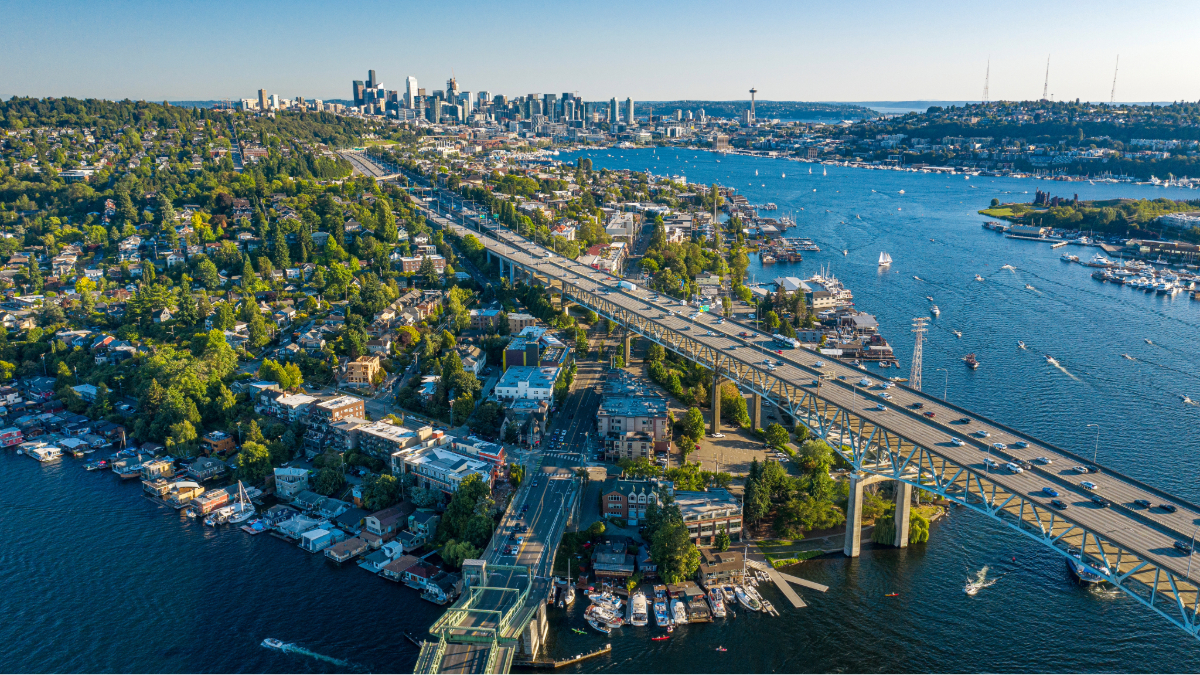
Rideshare Accidents in Inclement Weather: What You Need to Know in Seattle

Rideshare Accidents in Inclement Weather: A Seattle Perspective

As January settles in, Seattle’s typically rainy—and occasionally snowy—conditions can make driving much more hazardous, particularly for rideshare drivers who spend long hours on the road. With the increasing popularity of services like Uber and Lyft, the risk of accidents can spike due to slick roads, reduced visibility, and busier traffic.

In this overview, we’ll explore what passengers, drivers, and third parties need to know if they find themselves in a rideshare accident in Washington State. We’ll cover key insurance considerations, how fault is determined, and the essential steps you can take to protect your rights during the rainy (and sometimes icy) winter months.

Rideshare Accident Attorney

Why Inclement Weather Impacts Rideshare Accidents

  • Reduced Visibility: Seattle’s frequent rain and early winter sunsets create darker, more challenging driving conditions. Rideshare drivers, who may be hustling to pick up or drop off riders, can struggle to spot pedestrians or cyclists in busy neighborhoods like Capitol Hill or downtown.
  • Slick or Icy Roads: Even though Seattle’s winters are typically mild, we do see occasional snow and ice. Steep hills—such as those in Queen Anne or parts of West Seattle—can quickly turn treacherous when roads freeze. Slippery conditions make it harder to brake or maneuver, increasing the risk of collisions.
  • Increased Demand: When winter weather makes driving downright unpleasant, many Seattleites opt for rideshare services instead of taking their own cars. This surge in demand puts more rideshare drivers on the road, which inevitably raises the odds of accidents.

Understanding Rideshare Insurance Coverage

Rideshare drivers typically have layered insurance policies that depend on which phase of a trip they’re in:

  • Period 0: The driver isn’t logged into the rideshare app. Only personal auto insurance applies here.
  • Period 1: The driver is logged into the app but hasn’t accepted a ride request. During this phase, the rideshare company usually provides a lower level of contingent liability coverage if the personal insurer denies a claim.
  • Period 2: The driver has accepted a ride request but hasn’t yet picked up the passenger. The rideshare company offers a higher level of coverage, including liability.
  • Period 3: The passenger is in the car (the trip is in progress). This phase typically offers the highest level of coverage, which can include liability, uninsured/underinsured motorist coverage, and more, depending on the rideshare company.

Coverage Limits in Washington

  • Uber and Lyft typically offer up to $1 million in liability coverage once a passenger is in the vehicle (Period 3).
  • During Period 1, coverage can drop significantly, making it crucial to figure out exactly when the accident happened in order to resolve insurance claims correctly.

Determining Fault in Washington State

Washington uses a pure comparative negligence rule. That means each involved party can be assigned a percentage of the fault. Any damages awarded are then reduced by the percentage of fault attributed to that party. For instance, if you’re found 25% at fault and your total damages are $100,000, your compensation would be reduced by $25,000.

  • Passenger Claims: If you’re a rideshare passenger who gets injured in an accident, you’ll typically file a claim against whoever is at fault—this could be the rideshare driver, another driver on the road, or both.
  • Third-Party Claims: If you’re a pedestrian, cyclist, or another motorist hit by a rideshare vehicle, you can usually pursue a claim against the rideshare company’s insurance if the driver was active on the app at the time.

Steps to Take Immediately After a Rideshare Accident

  1. Ensure Safety: Move to a safe area if possible, and check on others involved if you’re able.
  2. Contact the Authorities: Call 911 if there are any injuries or significant damage. An official police report can be crucial evidence.
  3. Document Everything: Take photos of vehicle damage, road conditions (like ice, puddles, or debris), skid marks, and any visible injuries. Note important details: Were you en route to a pickup, or had the ride already started? What were the weather conditions?
  4. Seek Medical Attention: Even if your injuries seem minor, it’s wise to see a doctor. Problems like whiplash can become more serious over time. In Seattle, common medical facilities include Harborview Medical Center, Swedish Medical Center, and Virginia Mason.
  5. Notify Rideshare Support: Report the accident through the rideshare app. This initiates the company’s official claims process.
  6. Consult a Personal Injury Attorney: Rideshare accidents can involve multiple insurance companies—yours, the driver’s, and the rideshare company’s. An attorney can help you navigate these overlapping policies, advocate for your rights, and negotiate on your behalf.

Potential Complications and Pitfalls

  • Multiple Defendants: If more than one driver is involved, liability might be split among several parties, each with different insurance carriers.
  • Confusion Over “Active on the App”: You’ll need to prove whether the rideshare driver was actively engaged in a ride or on the way to pick someone up to establish which insurance policy applies.
  • Underinsured Drivers: Some Seattle drivers lack sufficient coverage. This can complicate the claims process, making rideshare coverage or your own uninsured/underinsured motorist policy particularly important.
  • Varying Rideshare Company Policies: Although Uber and Lyft cover similar ground, they differ in certain details. Understanding these nuances is crucial to ensuring a fair settlement.

Why Legal Representation Matters

A personal injury attorney experienced with Washington’s insurance laws and the ins and outs of rideshare coverage can offer vital support by:

  • Identifying Applicable Policies: Making sure you file claims against the right coverage.
  • Negotiating with Insurance Adjusters: Insurance providers often try to minimize payouts; an attorney will push back to protect your interests.
  • Documenting and Calculating Damages: Accurately accounting for medical bills, lost wages, pain and suffering, and possible future expenses.
  • Litigating if Necessary: If negotiations fall through, a skilled attorney can represent you in court.

Why You Should Turn to Bridge Law & Associates

If you’ve been involved in a rideshare accident—particularly during Seattle’s unpredictable winter weather—chances are you’re facing a labyrinth of multi-layered insurance policies, liability questions, and potential injuries. Don’t go through this process alone.

At Bridge Law & Associates, we specialize in personal injury cases with a dedicated focus on rideshare accidents. Our attorneys are intimately familiar with Washington’s comparative negligence rules, as well as the details of Uber and Lyft insurance coverage. We’ve successfully represented countless clients in similar situations and have helped them secure fair compensation for medical bills, lost wages, and pain and suffering.

Our team takes a personalized, results-oriented approach to each case. From conducting detailed investigations and gathering crucial evidence, to aggressively negotiating with insurance carriers, we handle all the legal complexities so you can concentrate on healing. If a fair settlement isn’t on the table, we have the resources and courtroom experience to fight for you in court.

Call us today to schedule a free consultation. Let Bridge Law & Associates steer you through the legal process and strive for the compensation you deserve—so you can focus on moving forward with peace of mind.

2025 Car Accident Checklist

From checking for injuries and calling emergency services to documenting the scene and exchanging information with other parties involved, this checklist is designed to help you navigate the often chaotic and stressful moments after an accident.

STAY CALM

☐ Breathe slowly and deeply.
☐ Avoid conflict. Now’s not the time for arguments or blame.

ASSESS INJURIES

☐ Check yourself.
☐ Check any passengers.
☐ Don’t move anyones with severe injuries. Wait for emergency responders instead.

ENSURE SAFETY

☐ Turn on hazard lights, even if it’s daylight.
☐ Take photos of the scene, but only if it’s safe.
☐ Move your car out of traffic if possible.

GET HELP

☐ Dial 911 from a safe place.
☐ Provide as much detail as possible.
☐ Follow the dispatcher’s instruction, including for first aid.

GET THE OTHER DRIVER’S INFO

☐ Name.
☐ Address.
☐ Phone number.
☐ Insurance company.
☐ Insurance policy number.
☐ Driver’s license number.
☐ License plate number.

DOCUMENT THE SCENE

☐ Photograph all vehicles from all angles.
☐ Photograph road conditions.
☐ Photograph traffic signs and signals.
☐ Write down the time, date and weather.
☐ Write down your description of what happen. The more detail, the better.

IDENTIFY WITNESSES

☐ Names.
☐ Phone numbers.

CONTACT YOUR INSURER

☐ Call their emergency number.
☐ Provide all documentation and witness information.

SEEK MEDICAL ATTENTION

☐ Get a check-up. You may feel fine now, but some injuries manifest later.
☐ Document all medical interactions.

MAINTAIN RECORDS

☐ Reports and documentation from the scene.
☐ Insurance communication.
☐ Repair costs.
☐ Medical records and expenses.

CONSULT A PERSONAL INJURY ATTORNEY

☐ Deal with insurance.
☐ Understand your options.
☐ Ensure fair compensation.
☐ Address liability.

FOLLOW UP

☐ Stay in contact with your insurer.
☐ Attend all medical check-ups.

View Article in PDF

Drive Safe This Winter: Tips from Bridge Law to Avoid Car Accidents in Seattle

As we welcome the year 2025 tomorrow, it’s a time for new beginnings, resolutions, and—for Seattle residents—a reminder to navigate the challenges of winter driving. Seattle’s cold season often brings rain, occasional snow, and icy road conditions, which can significantly increase the risk of car accidents. At Bridge Law, we care about your safety and want to help you understand the types of accidents common during this season and how to avoid them.

Common Types of Winter Car Accidents

  1. Rear-End Collisions
    Icy or wet roads reduce braking efficiency, leading to longer stopping distances. Distracted driving or tailgating increases the risk.
  2. Intersection Accidents
    Slippery intersections and reduced visibility due to rain or fog often result in T-bone or sideswipe accidents.
  3. Skidding Off the Road
    Black ice or snow can cause vehicles to lose traction, especially on highways or curves.
  4. Multi-Car Pileups
    On icy roads, one collision can trigger a chain reaction, especially in high-traffic areas.

How to Stay Safe on Seattle Roads This Winter

  1. Prepare Your Vehicle
    • Check tire pressure and tread. Consider using winter tires for better traction.
    • Ensure your wipers are in good condition and top off your windshield washer fluid.
    • Keep an emergency kit, including a flashlight, blanket, and jumper cables.
  2. Drive Defensively
    • Maintain a safe distance from the car in front of you.
    • Slow down and avoid sudden braking or acceleration.
    • Use your headlights in low-visibility conditions.
  3. Plan Ahead
    • Check weather forecasts before heading out.
    • Allow extra time to reach your destination.
    • Avoid driving during severe weather unless absolutely necessary.
  4. Stay Alert
    • Watch for black ice, especially on bridges and overpasses.
    • Be cautious of other drivers who may not be as prepared or experienced in winter driving.

What to Do in Case of a Car Accident

Even with all precautions, accidents can happen. Here’s what to do if you’re involved in one:

  1. Check for Injuries
    Ensure everyone is safe and call 911 if there are any injuries.
  2. Move to Safety
    If possible, move your vehicle to a safe spot away from traffic.
  3. Exchange Information
    Collect names, contact details, insurance information, and vehicle details from other parties involved.
  4. Document the Scene
    Take photos of the accident scene, vehicle damage, and road conditions.
  5. Contact Your Insurance
    Notify your insurer about the accident and provide all necessary details.
  6. Consult with a Lawyer
    If you believe the accident was due to someone else’s negligence, or if you face challenges with insurance claims, contact Bridge Law. We specialize in personal injury and car accident cases, and we’re here to guide you through every step of the legal process.

Let’s Make 2025 a Safer Year Together

At Bridge Law, our mission is to protect your rights and help you navigate the aftermath of car accidents with confidence. By staying vigilant and following these tips, you can reduce your risk of accidents and ensure that you and your loved ones drive safely this winter season.

If you or someone you know has been involved in a car accident, don’t hesitate to reach out to our experienced team for a consultation. Together, let’s make 2025 a year of safe and responsible driving.

Why a Police Report is Essential After a Car Accident in Washington State

In the aftermath of a car accident, many drivers focus on exchanging insurance information and assessing the damage. But in Washington State, obtaining a police report is one of the most critical steps for protecting yourself legally and financially. This official document provides a detailed, third-party account of the incident and can be a deciding factor when it comes to insurance claims and legal disputes. For those navigating the complex aftermath of an accident, having a strong legal ally like Bridge Law & Associates, PLLC can make all the difference in securing a fair outcome.

Building a Reliable Record

A police report serves as an objective record of the accident, offering a clear, detailed account of what occurred. In Washington, where rainy weather often complicates driving conditions, having a thorough report can be particularly valuable. Law enforcement officers include observations about road conditions, the location of the collision, and other factors that can impact the narrative of what happened. This detailed record helps prevent conflicting stories and ensures that the events are documented accurately.

Bridge Law & Associates, PLLC understands how crucial this documentation can be when pursuing compensation. Their legal team has extensive experience in helping clients make sense of these reports, using them to build a solid case that supports your claim.

Supporting Insurance Claims

When filing an insurance claim after an accident, having a police report simplifies the process. Insurance companies often rely on this document as a reliable piece of evidence. It includes critical information such as vehicle damage, witness statements, and sometimes even photographs or sketches of the scene. This data helps insurers assess fault and process claims more efficiently, which can make a significant difference when navigating a potentially complex claims process. Especially on busy roads like I-5 or I-405, where accidents can quickly become complicated, a police report can help clarify what occurred.

Bridge Law & Associates, PLLC offers personalized legal support to guide clients through this process. With their expertise in managing insurance negotiations, they can ensure that you are treated fairly and receive the compensation you deserve. Their team is dedicated to taking the burden off your shoulders, allowing you to focus on recovery while they handle the complexities of your claim.

Legal Protection in the Courtroom

The importance of a police report extends beyond insurance matters. In cases involving significant injuries or disputes over liability, the report can be crucial in court. Washington operates under a comparative fault system, meaning that proving negligence can directly impact compensation. A police report, along with photos taken at the scene, provides an official record that can support a driver’s account of the events, helping to establish what happened and who may be at fault. This documentation can be particularly useful if there are disagreements about the circumstances of the crash.

With Bridge Law & Associates, PLLC on your side, you have a legal team that knows how to leverage these reports effectively. They have a deep understanding of Washington’s comparative fault laws and can use the information from the police report to build a strong case in your favor. Their experience ensures that your voice is heard, and your rights are protected throughout the legal process.

Legal Requirements in Washington

Washington state law requires drivers to report accidents to law enforcement if the incident involves injuries, fatalities, or damages exceeding $1,000. Failing to do so could result in driver’s license suspension. Beyond legal compliance, obtaining a police report also streamlines access to necessary documents for insurance claims or legal matters. Having a formal record of the incident makes it easier to address any follow-up actions, providing a layer of protection during an already stressful time.

Bridge Law & Associates, PLLC is committed to helping clients understand their legal obligations and rights following an accident. Their team offers the guidance and support needed to ensure that you remain compliant with Washington’s legal requirements while pursuing the best possible outcome for your situation.

Why It Matters

In Washington State, securing a police report after a car accident is more than just a formality—it’s a crucial safeguard for your rights and interests. By providing a clear account of the incident, supporting your insurance claim, and offering essential evidence for any legal proceedings, a police report can be a key factor in ensuring a fair outcome. When faced with the aftermath of a collision, having a dedicated legal partner like Bridge Law & Associates, PLLC can make a significant difference in navigating the challenges that follow. Their expertise, dedication, and client-centered approach provide the peace of mind you need during difficult times.


Disclaimer:
The information provided in this article is for general informational purposes only and should not be construed as legal advice. While every effort has been made to ensure the accuracy and completeness of the information presented, laws and regulations may change, and individual circumstances can vary. Readers should consult with an attorney or legal professional at Bridge Law & Associates, PLLC or another qualified legal advisor for guidance specific to their situation. Bridge Law & Associates, PLLC is not liable for any actions taken based on the content of this article without professional consultation.

Staying Safe on Seattle’s Slick Roads: What to Do After a Rain-Related Accident


As Seattle heads into its rainy season, drivers face unique challenges on the road. Wet conditions, reduced visibility, and slippery surfaces all contribute to an increase in accidents during this time. Rainwater mixes with oil and debris on the roads, making them slick and reducing the traction of tires. This can lead to skidding, hydroplaning, and longer stopping distances, making accidents like rear-end collisions and multi-car pileups more common.

In addition to slippery roads, heavy rainfall reduces visibility, making it harder to see other vehicles, pedestrians, and obstacles. Drivers who fail to adjust their speed or maintain a safe distance in these conditions are more likely to be involved in accidents. Potholes and flooded areas add to the dangers, as hitting a pothole or driving through standing water can cause drivers to lose control.

If you’re involved in a rain-related accident, the steps you take immediately afterward can significantly impact your personal injury claim. First, ensure everyone’s safety by moving your vehicle to the side of the road if possible. Document the scene with photos of the road conditions, any damage to the vehicles, and any injuries. Exchange information with the other driver(s) and get contact details from witnesses. It’s also essential to file a police report, even for minor accidents, to create an official record.

Although injuries may not be immediately apparent, it’s critical to seek medical attention. Conditions like whiplash often don’t show symptoms until days later, and having medical documentation is vital for your personal injury claim. Consulting a personal injury lawyer early in the process is also highly recommended, as they can help navigate the complexities of dealing with insurance companies and ensure that you receive fair compensation.

In rain-related accidents, the issue of fault is often determined by whether the driver took appropriate measures to adjust to the weather conditions. Washington state law expects drivers to drive more cautiously during inclement weather. If another driver was speeding, failed to keep a safe distance, or neglected to use headlights in low visibility, they could be held liable for the accident, even if weather played a role.

Personal injury claims can help recover compensation for medical expenses, lost wages, pain and suffering, and vehicle damage. However, insurance companies may try to reduce their payout by pointing to the weather as the cause of the accident, rather than another driver’s negligence. This is where having legal representation is invaluable, as a personal injury lawyer can gather the necessary evidence to prove liability, including weather reports and witness statements.

In Washington, you have three years to file a personal injury claim, but it’s always best to begin the process early. The longer you wait, the harder it becomes to gather evidence and make a strong case. A lawyer can handle the negotiations with insurance companies and, if needed, represent you in court.

Seattle’s rainy season brings a higher risk of accidents, but with proper precautions and knowledge of what to do in the event of a crash, you can protect yourself. If you do find yourself involved in an accident, Bridge Law & Associates, PLLC, is ready to assist, ensuring that your rights are protected and that you receive the compensation you deserve. Stay safe, and be prepared for the road conditions ahead.